







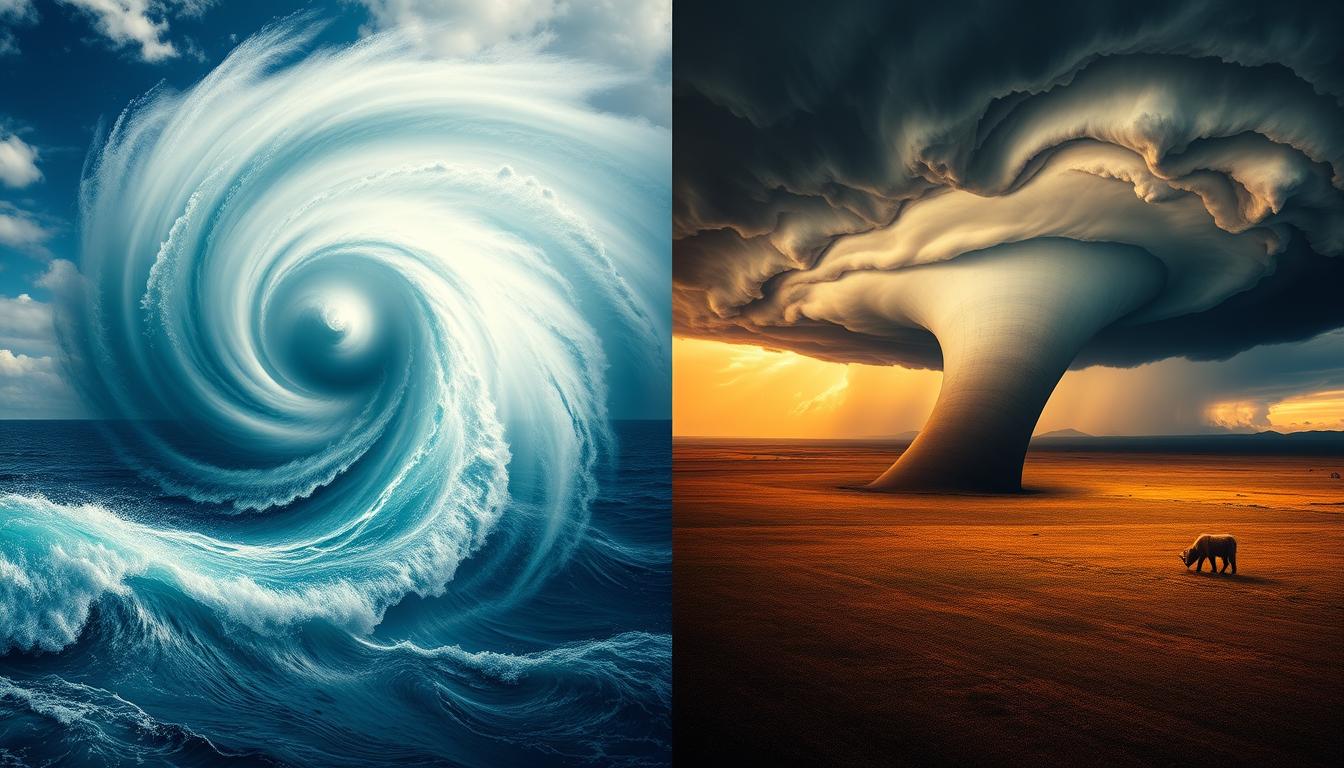
Weather science is a complex field that helps us understand and predict severe weather events like hurricanes and tornadoes. By studying weather science, we can better prepare for and respond to these natural disasters. The National Oceanic and Atmospheric Administration (NOAA) and the National Weather Service (NWS) are two organizations that play a key role in advancing our knowledge of weather science, including the study of hurricanes and tornadoes.
Understanding the basics of weather science is essential to grasping the intricacies of hurricanes and tornadoes. Weather science involves the study of atmospheric conditions, including temperature, humidity, and wind patterns, which all contribute to the formation of severe weather events. As we explore the world of weather science, we will dive into the fascinating science behind hurricanes and tornadoes. This knowledge can help us stay safe during severe weather events.
Understanding Weather Science Fundamentals
Weather science is a complex field that studies atmospheric conditions and their effects on severe weather. Factors like temperature, humidity, and air pressure shape our weather. As we face climate change, knowing weather science basics is key to predicting and preparing for severe weather.
The link between atmospheric conditions and severe weather is complex. For example, temperature and humidity changes can cause thunderstorms, which might turn severe. Climate change also affects weather, making severe events more common and intense. Scientists study these links to improve severe weather prediction, saving lives and property.
As we learn more about weather science, it’s clear severe weather remains a big threat globally. Recognizing climate change‘s weather impact helps us develop better strategies. This includes improving weather forecasting, emergency plans, and promoting green practices to cut carbon emissions.
By grasping weather science basics and the effects of climate change, we can protect our communities and lessen severe weather risks.
What Are Hurricanes?
Hurricanes are natural disasters that form over warm ocean waters. They are also known as typhoons or cyclones in other parts of the world. These storms have strong winds, heavy rainfall, and storm surges that can cause a lot of damage to coastal communities.
The formation of hurricanes is a complex process. It involves the interaction of atmospheric and oceanic conditions. Warm ocean waters heat the air above them, causing it to rise and create a low-pressure system. As the air rises, it cools, and the water vapor in the air condenses, forming clouds and releasing heat, which in turn fuels the storm.

Hurricanes can have a devastating impact on communities. They can cause loss of life, property damage, and displacement of people. It is essential to understand the life cycle of a hurricane to prepare for and respond to these natural disasters. By studying hurricanes and their characteristics, we can better predict their behavior and mitigate their effects, ultimately saving lives and reducing the economic impact of these storms.
According to the National Hurricane Center, the official hurricane season for the Atlantic Basin runs from June 1 to November 30. During this time, it is critical for communities in hurricane-prone areas to be prepared and have a plan in place in case a hurricane were to make landfall.
By understanding hurricanes and their impact, we can work towards reducing the risk associated with these natural disasters. This includes investing in hurricane research, improving weather forecasting, and implementing effective emergency response plans. We can create safer, more resilient communities by doing so.
Understanding Tornadoes
Tornadoes are severe weather events that can cause a lot of damage and loss of life. They form when warm, moist air meets cooler air above, with wind shear in between. Weather forecasting is key to predicting tornadoes, helping people stay safe.
The United States sees the most tornadoes each year, mostly in the central and southern Plains. The National Weather Service (NWS) uses radar and models to predict tornadoes. This gives important warnings to those in danger.
Weather forecasting also helps pinpoint areas likely to have tornadoes. This lets us focus on preventing damage. For example, the NWS issues tornado watches and warnings. These alerts tell people when a tornado might hit their area.
Knowing how tornadoes form and using weather forecasting can lower injury and damage risks. By being ready and informed, we can better face these storms.
The key to surviving a tornado is to be prepared and to have a plan in place. This includes having a safe room or shelter, staying informed about weather conditions, and following evacuation instructions from local authorities.
By improving weather forecasting and educating the public, we can lessen tornado impacts. As we learn more about tornadoes and weather forecasting, we’ll find better ways to prepare for these storms.
The Development of Severe Weather Models
Advances in weather science have greatly improved severe weather forecasting. The creation of severe weather models has been key in better predicting these events. These models use data from satellites and other sources for accurate forecasts.
Advanced computer simulations are a big part of these models. They consider things like temperature, humidity, and wind to forecast severe weather. With data from satellites, these models can give more precise forecasts. This helps authorities issue timely warnings and prepare for severe weather.

The mix of weather science and technology has changed severe weather forecasting. Thanks to satellites, meteorologists can track severe weather in real-time. This gives them the info they need for better forecasts. It has saved lives and reduced property damage.
Severe weather events can have devastating consequences, but with the help of advanced forecasting models and satellites, we can mitigate these effects and keep communities safe.
As weather science keeps getting better, we’ll see even more accurate forecasts and warning systems. The work on severe weather models is ongoing. By using satellites and advanced simulations, we can make our world safer and more resilient against severe weather.
The Impact of Climate Change on Severe Weather
Climate change is a big problem that affects our environment and the weather. It makes severe weather events like natural disasters happen more often and be more intense. Research suggests that it’s causing more heavy rain, heatwaves, and droughts. These can really hurt communities and nature.
The link between climate change and severe weather is complex. Scientists are working to understand how these changes happen. For example, warmer oceans can make hurricanes and typhoons stronger. Changes in rain patterns can also lead to more flooding and landslides.
We need to find ways to deal with climate change’s effects. This means building stronger buildings, having early warnings for bad weather, and using land wisely. By working together, we can make our future safer and more sustainable.
Understanding the impact of climate change on severe weather is key to finding solutions. By supporting research and initiatives, we can help communities face natural disasters better.
The Role of Satellites in Weather Prediction
Satellites are key in weather forecasting, giving important data for predicting severe weather. Meteorologists use satellite images to track storms and weather patterns. This helps them issue timely warnings, saving lives and reducing damage.
When analyzing satellite images, meteorologists use complex computer models. These models combine data from satellites, radar, and weather stations. This approach makes weather forecasts more accurate, helping in emergency planning and response.
As technology gets better, satellites will play an even bigger role in weather forecasting. New satellite systems and advanced data analysis will improve forecast accuracy. This will help meteorologists give more accurate and timely warnings, saving lives and reducing damage from severe weather.
The use of satellites in weather forecasting has changed the field. It lets meteorologists predict weather more accurately. As technology keeps improving, we’ll see even better weather forecasts, protecting people and property from severe weather.
Human Influence on Weather Patterns
Human activities like pollution and deforestation can change weather patterns, leading to climate change. Burning fossil fuels releases carbon dioxide, raising global temperatures. This causes more intense weather, like hurricanes and droughts.
It’s key to see how human influence shapes our weather. Knowing our actions affect the environment, we can lessen climate change. We can do this by using less carbon, saving water, and protecting nature.
Research shows small daily changes can make a big difference. Using public transport, carpooling, or electric cars cuts pollution and emissions. Supporting groups that protect nature and use land wisely also helps fight climate change.
“The greatest threat to our planet is the belief that someone else will save it.” This quote stresses the need for everyone to act against climate change and its effects on weather.
By working together, we can make a greener future and lessen climate change. We must take responsibility for our actions. Let’s choose eco-friendly habits to reduce our impact on weather.
Preparing for Severe Weather Events
Severe weather like hurricanes and tornadoes can really hurt communities. It’s key to be ready for natural disasters to avoid harm. Having a plan can keep you and your family safe during severe weather.
To get ready for severe weather, stay updated on the weather. Sign up for emergency alerts or use a weather app. Also, plan your evacuation route and a meeting spot if you get lost.

Protecting your home from natural disasters is also vital. Install storm shutters, trim trees, and secure outdoor items. These steps can lower the chance of damage to your home.
Preparedness is key to staying safe during severe weather events. By having a plan, staying informed, and taking steps to protect your home and property, you can help minimize the risk of injury or loss of life.
Being ready for severe weather helps keep you and your family safe. It’s important to prepare for natural disasters and stay updated on the weather. This way, you can lessen the impact of these events.
The Science of Weather Forecasting
Weather forecasting is a complex field that uses many techniques and technologies. It aims to understand the atmosphere’s dynamics and give accurate forecasts. This helps people prepare for severe weather. In recent years, new models and technologies have made predictions more accurate.
New forecasting models, like the Global Forecast System (GFS) and the European Centre for Medium-Range Weather Forecasts (ECMWF) model, have improved predictions. These models use complex algorithms and large datasets. They consider factors like temperature, humidity, and wind patterns.
Weather science also uses satellite imagery and radar data to monitor weather in real-time. This data helps update forecasting models and improve predictions. Technologies like Doppler radar and satellite imaging help detect severe weather events. They provide timely warnings to affected areas.
By combining these technologies and techniques, meteorologists can provide accurate and reliable weather forecasting information. This helps protect lives and property from severe weather events.
The science of weather forecasting is constantly evolving. It improves our understanding of the atmosphere and our ability to predict weather. As new technologies and models emerge, weather science will become even more accurate. This will help save lives and reduce the impact of severe weather events.
Learning from Past Hurricanes and Tornadoes
Understanding past natural disasters is key to better preparing for the future. By studying big hurricanes and tornadoes, we spot patterns. For example, Hurricane Katrina in 2005 showed us how vital evacuation plans are.
Looking at past hurricanes and tornadoes also shows the value of weather tech. Better radar and satellites help track storms early. This gives us time to warn people and save lives.

Also, seeing how communities bounce back after disasters is important. Building a strong, united community helps us face natural disasters better. As we learn from the past, we can make our communities safer.
By learning from the past and using new tech, we can make our future safer. We can help communities at risk from natural disasters.
The Future of Weather Science
Weather science is on the verge of big changes. Scientists are studying climate change to understand weather better. They aim to predict and prepare for severe weather.
New technologies like advanced satellite images and computer models will help. These tools will make weather science more accurate. This means better forecasts for us.
Despite challenges, researchers and meteorologists are committed. They work hard to help us deal with hurricanes, tornadoes, and other extreme weather. Their efforts will keep weather science evolving.
This progress will help us make smarter choices. It will also protect our communities from nature’s surprises.