







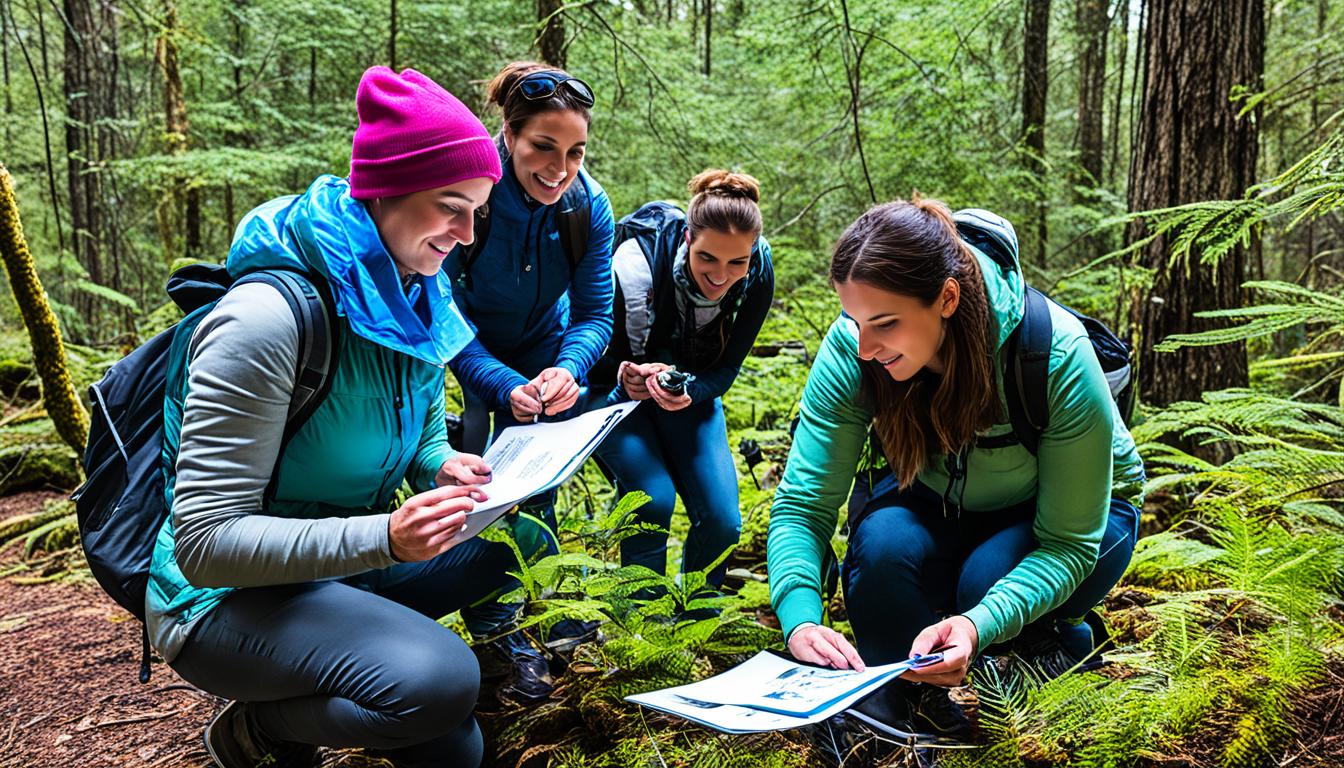
Citizen science is a way to make scientific research more open and involve the public. It lets volunteers help with real scientific projects. This can lead to new discoveries and teach us more about the world. It also lets people feel like they’re part of the scientific process.
This guide will show you how to join in on citizen science projects. It’s for anyone curious, a future scientist, or a teacher wanting to inspire students. We’ll give you the tips and advice you need to make a difference with citizen science.
We’ll cover everything from the basics of citizen science to how to design projects and work with others. We’ll also talk about making sure the data is reliable. By the end, you’ll be ready to start your own citizen science project. Let’s dive into the world of volunteer-led science and see how it can change our understanding of the world.
Citizen Science: Harnessing Public Participation for Scientific Discoveries
Citizen science is a way that lets the public help with scientific research and discovery. It brings together people from different backgrounds to make new discoveries. But what is citizen science, and why is it good for the community?
What is Citizen Science?
Citizen science means the public helps with scientific research and data collection. People can do many things, like watch wildlife, look at stars, or help with health research. The main idea is to let regular people have a big role in science, even if they’re not experts.
Benefits of Citizen Science Projects
Citizen science has many benefits. It uses volunteers to gather more data and might lead to new discoveries. It also builds community, teaches people about science, and offers learning chances. Plus, it lets the public help advance science, making them feel part of the process.
As citizen science grows, more people see its worth. Whether you like nature, data, or just learning, there are many ways to join in. You can help make a difference in scientific discoveries.
Identifying a Suitable Research Topic
Choosing a citizen science project starts with picking a topic that matches your interests and skills. Look into the many citizen science projects out there. You can help with monitoring wildlife, tracking environmental changes, analyzing space data, or mapping diseases.
It’s important to pick a topic that really interests you. Check out websites like SciStarter, Zooniverse, or the Citizen Science Association’s directory. You’ll find projects on things like birdwatching, testing water quality, or classifying galaxies.
After finding some projects you like, think about your skills, how much time you can give, and the project’s goals. This will help you pick the best project for you. By choosing wisely, you’ll be able to contribute to science and discovery.
Designing an Engaging Citizen Science Project
Creating an engaging citizen science project is key to getting people involved and making meaningful contributions. You need to focus on two main things: setting clear goals and making data collection easy for users.
Setting Clear Goals and Objectives
First, define the project’s goals and objectives. They should be specific, measurable, and match the scientific research you want to do. Clear goals help participants know why they’re involved and how their work helps the science.
Developing User-Friendly Data Collection Methods
For more people to join, make collecting data easy and fun. Use apps, online tools, or simple sheets that guide people through the process. Easy data collection means more people will stick with it and give quality data.

Think about what your audience needs and likes while designing. Talk to potential participants, get their feedback, and improve your project. Making it easy for users leads to a successful citizen science project that uses public involvement well.
Building a Collaborative Community
Creating a strong citizen science community is key to your project’s success. Use social media and online platforms to reach more people, share info, and build a sense of unity. This way, you can grow a dedicated group and make your project more impactful.
Leveraging Social Media and Online Platforms
Sites like Twitter, Facebook, and Instagram are great for connecting with your citizen science group. Make sure to have accounts or pages for updates, project news, and calls for help. Ask your team to use special hashtags to track talks and build community spirit.
Also, think about using forums, boards, or project websites for chats, questions, and resources. This helps your citizen scientists feel part of something big.
With a collaborative community, you can use your team’s energy and knowledge for better science. An active and supportive group is key to your project’s success.
Ensuring Data Quality and Validity
In the world of citizen science, making sure the data is good and right is key. Volunteers might not know as much as experts. That’s why we use strong checks to keep the science right.
Checking the data from volunteers is crucial. By using strict quality checks, we make sure the info is correct and trustworthy. This might mean checking the data against other sources, doing field checks, or using automated checks.
It’s also vital to teach and communicate clearly with the volunteers. Giving them clear instructions and feedback helps them understand why accurate data is important. This way, they can collect top-notch data.
By focusing on making the data quality and checking it, citizen science can use the power of the public. This keeps the science strong and builds trust between scientists and the public.
Science: Analyzing and Interpreting Citizen Science Data
Analyzing and interpreting data from citizen science is key. It helps us get valuable insights from volunteers. By using statistical analysis, researchers find patterns and trends in the data.
Statistical Analysis Techniques
Descriptive statistics is a main tool in citizen science. It summarizes data with means, medians, and standard deviations. Inferential statistics helps researchers make conclusions about a bigger group from a sample.
Advanced methods like regression analysis and hypothesis testing are also used. These help understand how different variables relate and if findings are significant. These tools turn citizen science data into useful insights for making decisions and discovering new things.

Researchers gain a deeper understanding of their topics by analyzing citizen science data. They can spot new areas to explore and work with the public to advance science. This teamwork between scientists and citizens helps science grow and improves our world.
Communicating Findings and Acknowledging Contributors
Sharing the results of citizen science projects and thanking the volunteers is key to their success. By telling the community about the findings, you can keep people interested and show the worth of their help.
Sharing Results with Participants
Citizen science needs the public’s help, so it’s important to keep them updated. Share news about the data, analysis, and insights often. Use newsletters, social media, and project websites to spread the word.
When sharing results, make sure the language is easy to understand. Avoid hard words that not everyone gets. Talk about why the results matter and how the public’s help made a difference. This shows you value their time and effort, making them more likely to keep helping.
Good communication and thanking people for their help builds a strong community. It makes people trust the project more and shows how their work makes a real difference. This leads to more people joining in, better data quality, and a better understanding of the topic among the public.
Overcoming Challenges in Citizen Science Initiatives
Citizen science projects are great for getting the public involved in research. But, they face big challenges. One big issue is keeping volunteers interested and engaged. Volunteers might lose interest or get confused by the data collection process.
To fix this, project leaders should make data collection easy and clear. They should also keep in touch with volunteers and thank them for their help.
Another problem is making sure the data is reliable and accurate. With many people helping out, keeping data quality high can be hard. To solve this, projects need good training, clear rules, and strong checks on data quality.
Using technology like mobile apps and online tools can also make collecting and checking data easier.
It’s important to tackle these issues to make citizen science successful and trustworthy. By focusing on keeping volunteers involved, ensuring data quality, and always improving, these projects can succeed. This way, they can use the power of public participation to make important scientific discoveries.
Ethical Considerations in Citizen Science Projects
Citizen science projects are growing fast. It’s key to think about the ethical sides. Keeping participant privacy safe and getting their okay first are top issues. People often share their own data or findings, so handling this info right is crucial.
For citizen science, keeping participants’ privacy and rights safe is a must. This means telling them how their data will be used, kept, and shared. Getting a clear yes from volunteers is key to keeping things right and building trust.
But it’s not just about keeping data private. Researchers must think about how projects affect local areas, the environment, and the science itself. By sticking to ethical rules, citizen science can help people and lead to big discoveries. It does this while respecting everyone’s rights and well-being.