







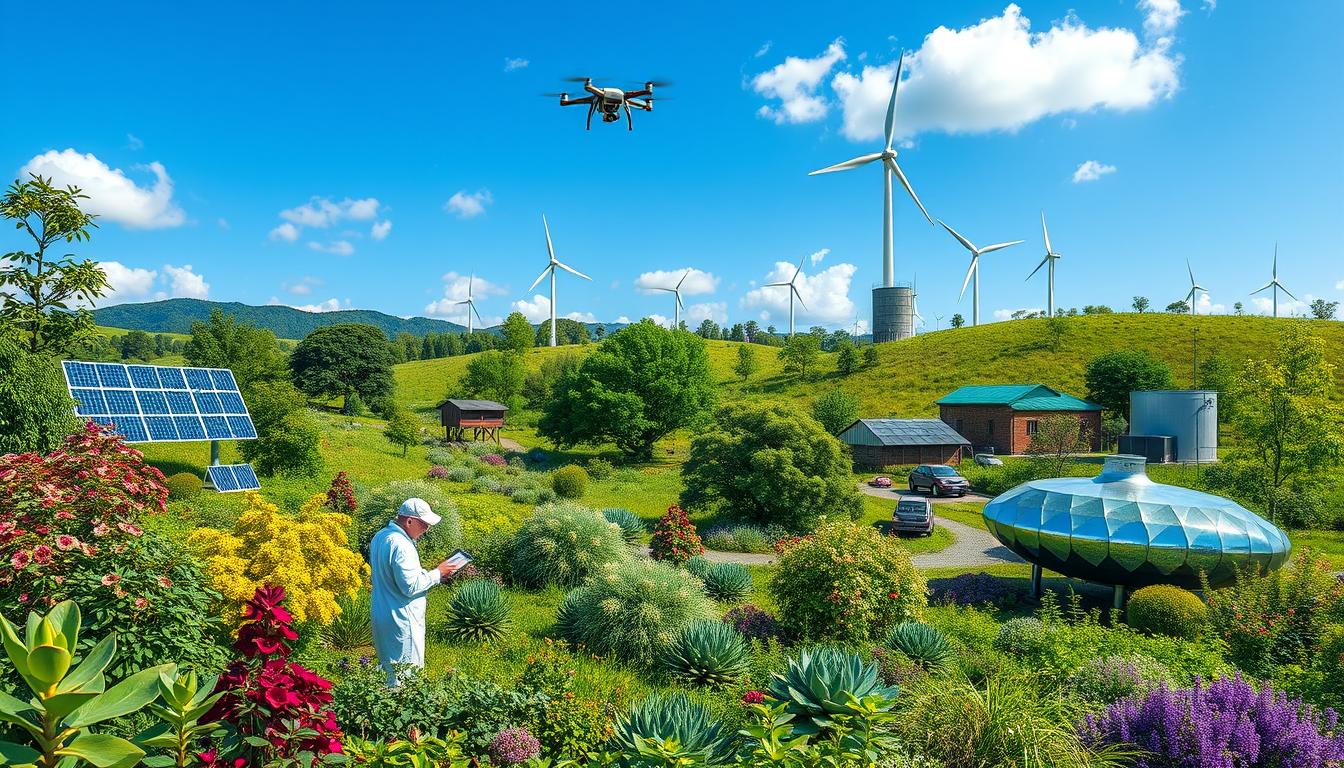
Environmental science is key in fighting pollution and waste. It helps us understand why and how pollution happens. With this knowledge, we can find ways to reduce and manage waste better.
Science and environmental issues are closely linked. Knowing this helps us work towards a greener future.
By using environmental science, we can see how our actions affect the planet. This lets us make better choices to cut down pollution and manage waste. Science is vital in our quest to protect the environment and ensure a sustainable future.
Understanding Environmental Science and Its Goals
Environmental science mixes biology, chemistry, physics, and social sciences. It helps us understand the natural world and how we affect it. The main goal is to keep ecosystems healthy, support biodiversity, and create green technologies.
Learning about environmental science helps us see the big picture of environmental issues. It shows us the importance of finding complete solutions. This includes making green technology to use less non-renewable resources and reduce waste. It also means studying how our actions harm the environment and finding ways to lessen these impacts.
Environmental science keeps growing with new discoveries and green technology advancements. As we learn more about the natural world and our role in it, we can find better ways to solve environmental problems. Supporting ecology and conservation helps us aim for a greener future and protect our planet.
Environmental science is not just about understanding the natural world, but also about taking action to protect it. By working together, we can make a positive impact on the environment and ensure a healthy and sustainable future for generations to come.
The Different Types of Pollution
Pollution harms our environment, causing environmental degradation and climate change. There are many types of pollution, like air, water, and soil pollution. Each has its own causes, effects, and ways to fix them. Knowing about these types is key to protecting our health and the planet.
Air pollution comes from pollutants like dust, nitrogen oxides, and chemicals. These can come from cars, factories, and natural disasters. Water pollution happens when pollutants like chemicals and sewage get into our waterways. Soil pollution occurs when pollutants like pesticides and industrial waste get into the soil.
These pollution types can harm our health and the environment. They can cause breathing problems, cancer, and other diseases. Climate change also poses a big threat, leading to extreme weather like hurricanes and droughts. To tackle these problems, we need to find and use effective ways to reduce pollution.
Pollution is a major environmental risk to health, and a significant cause of disease and death worldwide. By understanding the different types of pollution and their effects, we can work towards creating a healthier and more sustainable environment for all.
The Impact of Pollution on Public Health
Pollution greatly affects public health, causing harm to both individuals and communities. It leads to various health issues, from breathing problems to cancer. Understanding how pollution impacts health is key to finding ways to lessen its effects.
To tackle pollution’s health impacts, risk assessment is vital. By identifying health risks from pollution, we can take steps to avoid harmful pollutants. This might mean setting policies to cut emissions, ensuring clean water and air, and spreading health education.
Studies show that even small amounts of pollution can harm environmental health. Air pollution, for instance, can lead to more respiratory diseases. Water pollution is linked to cancer and brain damage. By focusing on risk assessment and pollution reduction, we can safeguard public health and foster a greener future.
Pollution is a major public health concern, and addressing its effects will require a broad approach. This involves individuals, communities, and governments working together. By cutting pollution and promoting environmental health, we aim for a better, sustainable world for everyone.
The Science of Waste Management
Effective waste management is key to less pollution and more sustainability. By using green waste management, we can all help the planet. This means cutting down waste, recycling, and disposing of it right.
Recycling is a big part of managing waste. It saves natural resources and cuts down landfill waste. Communities can start recycling programs. This makes it simple for people to recycle. Also, choosing products with less packaging helps a lot.

Sustainability is also vital in waste management. It’s about choosing methods that don’t harm the environment too much. For example, using solar or wind power can reduce our carbon footprint. By focusing on sustainability and waste management, we can ensure a better future.
By working together, we can make a big difference in reducing waste and promoting sustainability. Every small action adds up, leading to big positive changes.
The Role of Technology in Environmental Solutions
Technology is key in solving environmental problems. It helps us use renewable energy and green materials. This way, we can grow our economy while keeping the environment safe. Green technology leads the way in sustainability, helping us cut down pollution and adopt eco-friendly habits.
Technological breakthroughs like solar panels and wind turbines are changing the game. They help us use less fossil fuel and lower emissions. Environmental innovation is vital for a greener tomorrow. We must keep funding research to find new ways to tackle environmental issues.
We must focus on sustainability and environmental innovation in our daily lives. By using green technology and eco-friendly practices, we can build a brighter future. Experts say that investing in green technology cuts energy use, lowers pollution, and boosts the economy.
By working together, we can create a more sustainable future and ensure that our planet remains healthy and thriving for years to come.
Environmental Policies and Regulations
Effective environmental governance is key for enforcing environmental policy and regulation. Laws and agreements at the national and international levels aim to safeguard our planet. It’s vital to grasp these policies and regulations to advocate for stronger environmental safeguards.
A solid environmental policy is the base for regulation and governance. It helps in creating strategies to tackle environmental issues. By looking into how environmental policy, regulation, and governance relate, we can see their impact on each other.

International agreements are essential in shaping environmental policy and regulation. The Paris Agreement shows the value of global teamwork in tackling environmental problems. Through cooperation, countries can craft and enforce environmental policies and regulations that foster sustainable growth and protect our planet.
Environmental protection is a collective responsibility, requiring the cooperation of governments, businesses, and individuals. By working together, we can develop and implement effective environmental policies and regulations that promote a healthier and more sustainable future.
Community Initiatives for Cleaner Environments
Community engagement is key in environmental activism. It brings people together to tackle local issues and support sustainability. Local initiatives like clean-up events, recycling programs, and workshops are great examples. They help make our environment cleaner and healthier.
Joining these efforts helps people understand environmental problems better. It makes them want to make a difference. Environmental activism at the local level can also inspire bigger movements. Success in one place can motivate others to act too.
In the United States, many local initiatives have made a big difference. They’ve improved air and water quality, waste management, and conservation. These efforts show how important community involvement and activism are for a better future.
Collective action is a powerful tool for creating positive change, and community initiatives are a great way to get involved and make a difference.
By working together, we can tackle local environmental issues and support sustainability. Joining community initiatives and backing local initiatives helps create a cleaner, healthier world. It also encourages bigger environmental movements.
The Importance of Research in Environmental Science
Environmental research is key to understanding and solving environmental problems. By investing in environmental research, we keep up with the latest science and tech. This helps us tackle environmental issues more effectively.
Through science, we learn how human actions affect the environment. This knowledge is vital for creating sustainable policies and practices. It helps us fight pollution and climate change. Supporting environmental research ensures our environmental protection is based on solid evidence.

Innovation in environmental science brings new tech and strategies. It helps us reduce waste, save resources, and support sustainable growth. By valuing science and innovation, we can build a sustainable future. The role of environmental research is critical for protecting our planet.
As we move forward, it is essential that we continue to prioritize environmental research and innovation, supporting scientists, policymakers, and practitioners in their efforts to address environmental challenges and promote sustainable development.
The Role of Non-Governmental Organizations (NGOs)
Non-governmental organizations (NGOs) are key in environmental advocacy. They work hard to protect our environment and encourage community engagement. These groups lead environmental movements, pushing for policy changes and teaching people why protecting the environment is important.
By supporting NGOs, we can boost our environmental efforts. This helps us join a bigger movement for protecting our planet.
NGOs help spread the word about big environmental issues like climate change and pollution. They run community engagement projects to teach people about living sustainably. This education empowers people to act and positively impact their surroundings.
NGOs have a big say in environmental policy. They influence decisions and push for green practices. They also unite people through community engagement to protect our environment. Together, we can build a greener, healthier world.
Protecting the environment is everyone’s job, and NGOs are vital in this effort. By backing these groups, we can help the planet and ensure a brighter future for all.
Future Trends in Environmental Science
Looking ahead, environmental science will be key in shaping our world. Trends like climate change and biodiversity loss need new solutions. Understanding sustainability will help us face tomorrow’s environmental challenges and find new opportunities.
New technologies will be vital for sustainability. We’ll see more renewable energy and sustainable farming. Environmental science must also grasp the links between humans and nature. This will help us manage resources and fight climate change.

We must focus on future trends in environmental science for a sustainable future. This ensures a healthy planet for future generations. The mix of environmental science and sustainability will drive progress. It’s our duty to stay informed and involved in this important field.
The future of our planet depends on our ability to adapt and innovate in the face of environmental challenges. By embracing future trends in environmental science and prioritizing sustainability, we can create a better world for all.
Getting Involved: How Individuals Can Make a Difference
It might seem hard to tackle big environmental problems like pollution and waste. But, the truth is, we all can make a big difference. By taking personal action and adopting green habits, we can work together to make our planet cleaner and safer.
Begin by checking your daily routines and finding ways to cut down on carbon emissions. Small actions like recycling, using less energy, and throwing away less trash can help a lot. You can also help by joining local clean-up events, pushing for eco-friendly laws, or helping out at sustainability groups.
Every step we take towards a greener planet starts with us. By working together, we can create a better world for all of us, now and in the future.